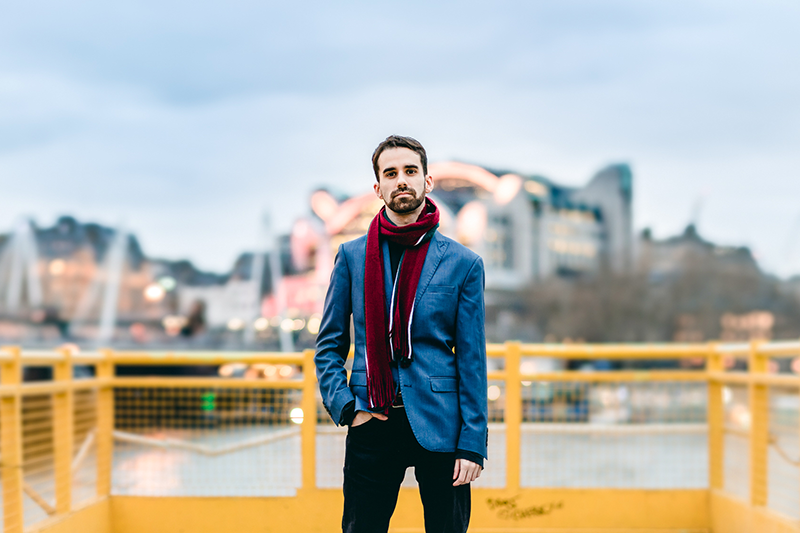
Founder of Riot Artists
From airline manager to international music promoter, Bill Smith has charted an unconventional path in the performing arts. In conversation with Juliette Barber, he reveals the challenges, surprises and joys of connecting world music artists with audiences around the globe
What first inspired you to pursue a career in the arts?
I actually came to the arts later in life. I wasn’t from an arts background at all — I started out as an airline manager and later became a serial entrepreneur — so it was a complete change of direction. After selling another business, I finally had the time and freedom to do something I truly loved.
My wife is Brazilian, and we started going to a lot of Brazilian shows in San Francisco. The energy and richness of that music really moved me. Before long, two local Brazilian musicians asked me to work with them, which I did for about seven months.
Eventually, I realised they weren’t progressing in the way I hoped, so I decided to start working directly with established Brazilian artists – people like Gal Costa, Geraldo Azevedo, the recently passed Brazilian musical genius, Hermeto Pascoal, and Djavan – and began producing their concerts here in the US. Since then, I have worked with artists from all over the world, including the Ukrainian music quartet DakhaBrakha, which are touring across North America next month.
What did you take away from that first experience?
I learned that the arts world, especially live performance, is built entirely on relationships and trust. Producing shows, dealing with artists, promoters and venues – it’s all about communication and shared enthusiasm. You can’t fake that. And, of course, it confirmed for me how powerful live music can be as a bridge between cultures.
What does your current role involve?
These days, I spend a great deal of time connecting with presenters around the world – particularly in the US, UK, Canada, Australia and New Zealand. Much of my work is about identifying venues and festivals that are open to world music and building long-term relationships with them.
I’m constantly writing to presenters, following up, and trying to place artists where they’ll be appreciated. It’s a delicate balance between being persistent and not becoming
a nuisance!
Our focus is exclusively on world music, which plays an important but niche role in most performing arts series. Festivals and universities, in particular, tend to embrace it as part of their cultural programming.
What’s been your biggest creative risk?
Probably shifting careers entirely – from running a trucking company with long-haul freight trucks to producing and touring world music artists! It’s a world apart, but the same business principles apply: understanding logistics, people and timing.
How do you feel the industry has changed during your career?
World music has gained much more recognition over the years. Performing arts centres increasingly want to expose audiences to global sounds. Festivals like Montreal Jazz, Vancouver Folk Fest, WOMAD in the UK, and Big Ears in Tennessee now host incredibly diverse programmes.
The biggest change, though, has been in marketing. Where print and even television used to play a role, much of the promotion now happens on social media. Artists and presenters need to be far more strategic online. It’s transformed how shows are promoted and how audiences discover new music.
What misconceptions do people have about working in the arts?
Many people think it’s glamorous, but it’s really a lot of persistence and paperwork. You have to love it. Most of the job is about maintaining relationships – emails, logistics, visa paperwork and planning months or years ahead. The performances themselves are just the tip of the iceberg.
What advice would you give to someone starting out?
Showcases are everything. Every major conference offers them, and they’re a powerful way for artists to get noticed, but only if they’re ready. A weak showcase can set you back for years, while a great one will be remembered for just as long. I still meet people who remember a performance my artist gave nine years ago! Beyond that, artists should focus on building their own following and performing as often as possible. It’s all about name recognition – there’s no shortcut to that.
How do you build and maintain connections across the industry?
Conferences are essential. I probably attend eight to ten a year. The most important for me is the Association of Performing Arts Professionals (APAP) conference in New York each January. I also go to Western Arts Alliance, Mundial Montréal, ISPA and WOMEX, which I’d say is the second most valuable event for networking globally.
There are also smaller, regional conferences like MAX, Pacific Contact, Arts Northwest and the North Carolina and Pennsylvania Presenters groups. These are great for connecting with people you might never meet otherwise. Each one helps build relationships with venues, universities and festivals across North America and beyond.
What’s next for the industry?
Right now, the arts in the US are facing funding challenges, largely for political reasons. Visa restrictions also complicate touring for international artists. At the same time, domestic venues often focus on commercial or Broadway-style shows, which makes it harder for niche genres like world music to find space.
That said, audiences in Canada, and increasingly in Europe, remain very open to world music. Canadian festivals, in particular, are wonderfully diverse. So, while the landscape is changing, the appetite for global voices is still there – it’s just about finding the right platforms.