

In this new series, which explores the diverse careers within the performing arts, we catch up with Emma Southworth, whose journey from her first job photocopying at Birmingham Arts Marketing to becoming Creative Producer at The Royal Ballet is a testament to perseverance and passion.
Juliette Barber learns how her love for dance, her nurturing approach to creativity and her unwavering dedication have shaped her remarkable career in one of the world’s most prestigious performing arts organisations
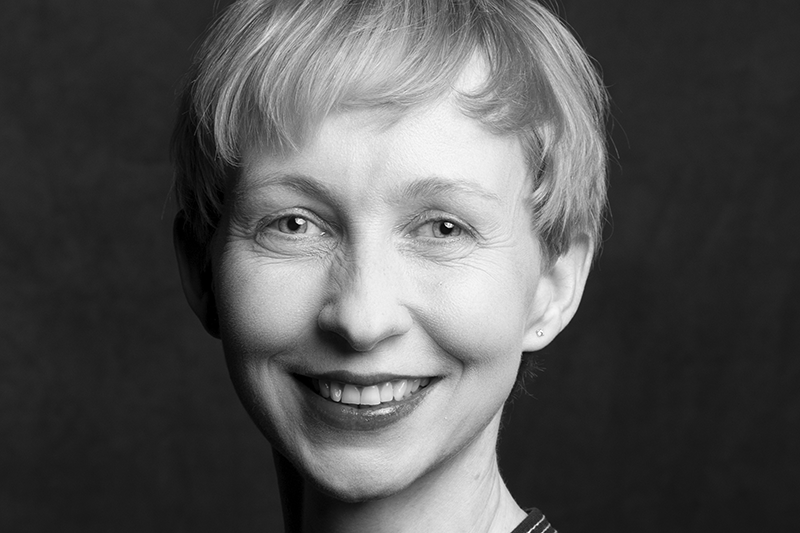
In this new series, which explores the diverse careers within the performing arts, we catch up with Emma Southworth, whose journey from her first job photocopying at Birmingham Arts Marketing to becoming Creative Producer at The Royal Ballet is a testament to perseverance and passion. Juliette Barber learns how her love for dance, her nurturing approach to creativity and her unwavering dedication have shaped her remarkable career in one of the world’s most prestigious performing arts organisations
What first inspired you to pursue a career in the arts?
I can’t pinpoint one specific moment—it was just part of growing up, as music and performance were part of my daily life. My dad was a history teacher, but he also directed all the school plays and musicals. At home, we’d learn and sing along to them, which was such a formative experience. Music was always in the background, especially since I played in my school orchestras in Birmingham. I was constantly running between orchestra rehearsals and ballet classes.
Was ballet always part of the plan?
I did ballet and what was then called modern dance, but I never pursued it seriously enough to think it would be a career. Music took precedence, especially while I studied at Sheffield University. However, my love for dance never went away—it was always there, simmering under the surface.
How did your career in the arts begin?
It started quite serendipitously. A friend of a friend mentioned
a temporary admin role at Birmingham Arts Marketing. I accepted it, unaware of how pivotal it would be for my career. My tasks were basic—photocopying and data entry—but it gave me this incredible overview of Birmingham’s vibrant arts scene. This was the late 1990s, and the city had this amazing cultural offering. I had a front-row seat to major organisations from the City of Birmingham Symphony Orchestra (CBSO), Symphony Hall, Birmingham Royal Ballet, and smaller arts organisations too, which gave me an invaluable insight into the arts ecosystem.
What was your first major career turning point?
After about three years in marketing, I applied for a project manager position at DanceXchange. They were looking for a Project Manager to run British Dance Edition 2002 and then manage the new Patrick Centre theatre at Birmingham Hippodrome. I was completely underqualified, but they took a chance on me. It was an incredibly steep learning curve. We staged performances from 25 companies around Birmingham in just three or four days, with shows at 12:00, 2:00, 4:00, 6:00, 8:00 and 11:00 pm—it was relentless! One piece, Publife by Luca Silvestrini’s Protein Dance, was performed in an actual pub on Broad Street. We didn’t have the internet back then, so I had to fax hundreds of promoters using a printed directory. Amazingly, we managed to attract 400 to 500 promoters from around the world.
What did you take away from that experience?
Resilience and adaptability. You’re constantly problem-solving in this industry, often with limited resources and tight deadlines. British Dance Edition taught me how to juggle multiple priorities, make quick decisions and think creatively under pressure.
How did you make the transition to The Royal Ballet?
After co-creating and producing Birmingham International Dance Festival in 2008, I moved to London to work as Deputy Director for Theatre & Artist Development at The Place. In 2013, I joined the Royal Opera House just as plans were forming to redevelop the Linbury Theatre. It was perfect timing; Kevin O’Hare had just become Director of The Royal Ballet, and there was this sense of change in the air.
What does your current role as Creative Producer at The Royal Ballet involve?
It’s incredibly varied. Right now, I’m finishing programming the Linbury Theatre for the 2025-26 season while overseeing rehearsals for our Christmas show Ruination and our Draft Works choreographic project. I’m constantly balancing creative decisions with practical concerns—budgets, technical logistics, box office projections. This week alone, we have Ruination going into rehearsals and onto the stage, Draft Works sharings tonight and tomorrow, and Cinderella opening on the main stage next Tuesday. So, I’m lurching between trying to make budgets work for next season and being in the theatre space watching work. It’s a whirlwind, but I thrive on that variety.
How do you approach creative risks?
You’re always taking creative risks when you’re putting shows together. You’re making a year-long or 18-month commitment
to artists, hoping the arc of programming you’re putting together
resonates with the audience. Sometimes things don’t work as planned, but there’s always value in taking that leap.
What’s been your biggest creative risk at the Linbury?
Probably our Christmas show this year. We commissioned Ben Duke and Lost Dog, a small contemporary dance theatre company, to create a show. Ben wanted to make a Christmas show about Medea! It was a big risk, but I know Ben’s work well and trusted his vision. Still, you’re never truly sure until it goes on stage. Fortunately, it turned out to be very funny, poignant and deeply moving, with clever references to The Nutcracker
and Cinderella.
How do you feel the industry has changed for women during your career?
The biggest shift I’ve seen has been in choreography. About 10 years ago, we recognised there weren’t enough female choreographers in ballet. We’ve done a lot of work to understand why women were dropping out of the system. While we haven’t completely resolved this, we’ve made significant progress. The culture within ballet companies has become more inclusive, and there’s a greater awareness of the need for diversity in creative leadership.
What misconceptions do people have about working in the arts?
Many people don’t realise how many career paths exist in the arts. When I was starting out, I had no idea jobs like mine even existed. There’s also a misconception that arts careers are somehow less valuable or financially viable. But the level of skill and dedication required is immense. It’s not just a passion—it’s
a profession.
What emerging trends do you see in dance?
The most concerning trend is the difficulty of touring in the
UK due to funding cuts. It’s becoming increasingly expensive to tour, and venues often lack the resources to host performances. This limits audience access to dance, which is a real concern. We need to completely rethink how we fund and support touring to keep dance accessible.
What advice would you give to someone starting out?
Be open to opportunities, even if you feel underqualified and always be ready to learn on the job. That’s how I started in the industry. Attend shows, conferences and industry events. The arts world is more collegiate than competitive now, which is a huge advantage as it makes it a great time to build relationships across organisations.
Do you have any networking strategies you can recommend?
Networking is one of the most enjoyable parts of my job. It’s about building genuine relationships, not just collecting contacts. I love attending first-night openings and conferences—not just for the learning opportunities but for the chance to meet people and exchange ideas.
What’s next for you?
I’d love to run a company as an executive director, ideally within dance, though I’m open to other opportunities. Exploring international work feels like a natural progression. It would offer a chance to engage with the industry through a different cultural lens, which I find incredibly fascinating. I’m a big fan of being in the theatre, and the chance to lead an organisation and make that machine work really well is something I’m eager to pursue. It’s about finding that next challenge where I can really make a difference, whether in the UK, despite its challenges, or globally.
Any final thoughts on your career so far?
I feel incredibly fortunate to work in an industry I’m passionate about. It’s demanding, but the rewards far outweigh the challenges. I want to keep contributing to dance and helping it evolve. Whether that means staying in the UK or pursuing something internationally, I’m excited to embrace whatever comes next and can’t wait to see where it leads.
Emma Southworth is Creative Producer at The Royal Ballet at Royal Ballet and Opera. linkedin.com/in/emma-southworth


