Global shifts in the performing arts
By Gilles Doré, Executive Director, CINARS
As we open CINARS’ series on transformation in the performing arts, I turn to professionals who navigate these shifts firsthand. At CINARS, a Canada-based organisation committed to supporting the international circulation of the performing arts, we are preparing a delegation of Québec companies and agents for the APAP|NYC 2026 conference. We wanted to know: How is the American market evolving for international touring artists?
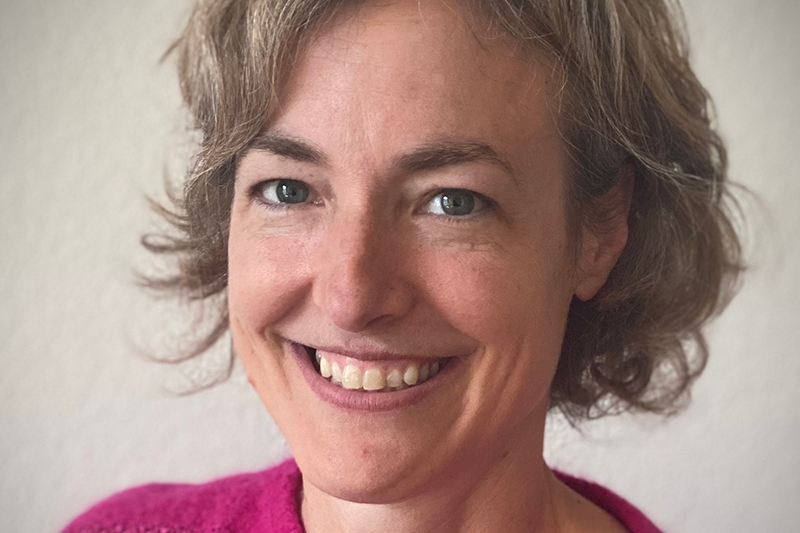
Recent disruptions have reshaped programming priorities, funding structures and professional networks across the United States. To better understand the landscape facing international companies, I spoke with two leading voices in the field: Ruth Juliet Wikler, curator, producer and cultural strategist, and Michael Reed, Senior Director of Programs and Organizational Initiatives at Arizona State University Gammage.
Are American programmers ready to reconnect internationally?
I began by asking whether US presenters are open to engaging with international work, despite the heightened logistical challenges since the pandemic.
Wikler noted that many US presenters remain committed to “fulfilling their crucial roles as America’s cultural diplomats” and are “continuing to seek out and programme international artists despite increasing challenges.” However, she observes that agents who absorb those challenges can keep artists touring across the US by offering “turnkey solutions” to presenters less inclined to look internationally.
Reed stated that while “ US presenting seasons that include international voices are far more representative both aesthetically and culturally of vitally needed global perspectives,” than those featuring US voices alone, he cautioned that “in 2026 the US will be a more challenging market in which to find touring engagements for international artists when compared to pre-pandemic conditions,” particularly for artists looking to tour the US for the first time.
How are touring networks evolving within the US?
The pandemic altered the way presenters communicate, collaborate and organise. I asked Wikler and Reed whether this shift has resulted in new professional networks or simply reinforced existing ones.
For Wikler, the answer is both. “The move online during the pandemic gave rise to new North American networks, some organised around specific disciplines like circus and dance, others built around geographic micro-regions… At the same time, established networks that increased the frequency of meetings ended up developing deeper touring partnerships. Those pandemic-born habits are still yielding benefits.”
Reed noted that touring networks are evolving quickly. He advised artists to keep in touch with US presenters who can help them assess which “current formal or informal networks are active, and what type of presenters may have the resources and aesthetic alignment with specific artists.”
Advice for international artists and companies
Turning to the topic of touring strategy, I asked what foreign companies should keep in mind as they seek opportunities in the US.
Wikler stressed the importance of discerning partnerships. “Seek out trusted collaborators on the US side,” she advised. “If a presenter, agent or producer is experienced with international artists and initiates contact, it’s a strong sign that they’re navigating the shifting terrain competently. Those are your best partners.”
Reed cautioned that “Artists should also consider the content and subject matter of what they want to tour. For numerous presenting organisations – particularly university-based presenters – 2026 will not be a year where they are able to host activist or controversial art at the level they have in the past… I believe this is not permanent but is a hard reality for the moment.”
Resilience: What does it look like today?
The word “resilience” appears frequently in American arts discourse, but its lived meaning varies widely depending on region and organisation. For Wikler, resilience exists in a dual reality. “Over the past year, I’ve seen a rollercoaster of uncertainty at the national level and visionary, arts-forward developments in my region,” she said. “Those local efforts have made me feel genuinely hopeful.”
Reed echoed this perspective. “Perhaps from an American self-view as unsinkable, innovative and resilient, I have recently seen local perseverance, partnership and creativity emerge across the country in supporting the arts in the face of increasingly severe federal conditions.”
Is New York still the main gateway for international touring?
Despite shifting resources and regional innovations, both Wikler and Reed affirmed New York’s continued importance.
“Being physically present in New York in January remains a tremendous opportunity,” Wikler said. “But build relationships by attending smaller gatherings like pre-conferences, affinity groups and off-the-beaten-track performances.”
As the global performing arts community prepares for the APAP|NYC 2026 Conference, one thing is clear: while the pathways may be shifting, US presenters are open to international exchange, and collaboration will be the key to navigating what comes next.