Freed from the jaws of the lion
By Florian Riem
Among the thousands of great compositions in classical music literature, there are some that are especially beautiful and uplifting. Others are sad and melancholic, and some are dark and gloomy, shocking or outright frightening. Think of Siegfried’s Trauermarsch, Isang Yun’s Exemplum in memoriam Kwangju, or the Dies Irae in Verdi’s Requiem. There is another one, however, that I will never forget. At one concert, the dark lines in Maurice Duruflé’s 1941 Requiem (“The departed shall be freed from the jaws of the lion! They shall not be swallowed up by hell or fall into darkness”) almost seemed to become a reality.
It was 1995. Jean-Pierre Wallez was conducting the Orchestra Ensemble Kanazawa, and I was sitting in the cello section, right behind the principal. It was an afternoon dress rehearsal. I was tired, and the sombre mood of the Duruflé felt all the more depressing. Then came the third movement, Domine Jesu Christe. Its intense emotional power is not for the fainthearted; even Duruflé himself acknowledged that there was terror present in his work. But what happened next was so unexpected that I felt completely paralysed:
the principal cellist, Ľudovít Kanta, who was sitting right in front of me, started leaning to the left, first slowly, then further and further until his cello fell from his hands, and finally he collapsed, his body crashing onto the instrument. There was a terrifying sound as it burst into dozens of pieces. The orchestra gradually fell silent, leaving behind an eerie silence. The conductor looked down at Kanta’s now empty chair in utter disbelief as a tutti violinist, screaming, came running toward the now unconscious cellist lying on the floor.
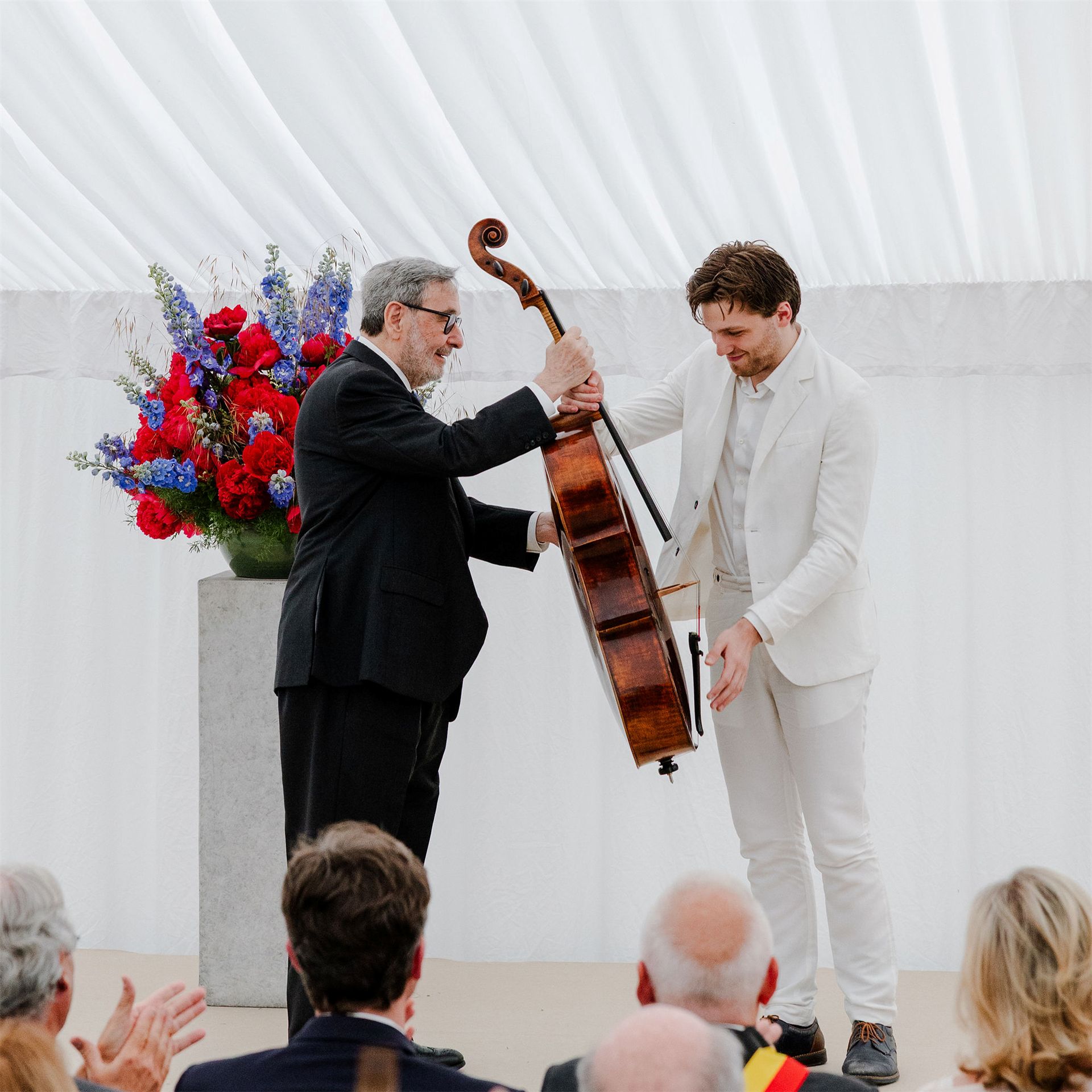
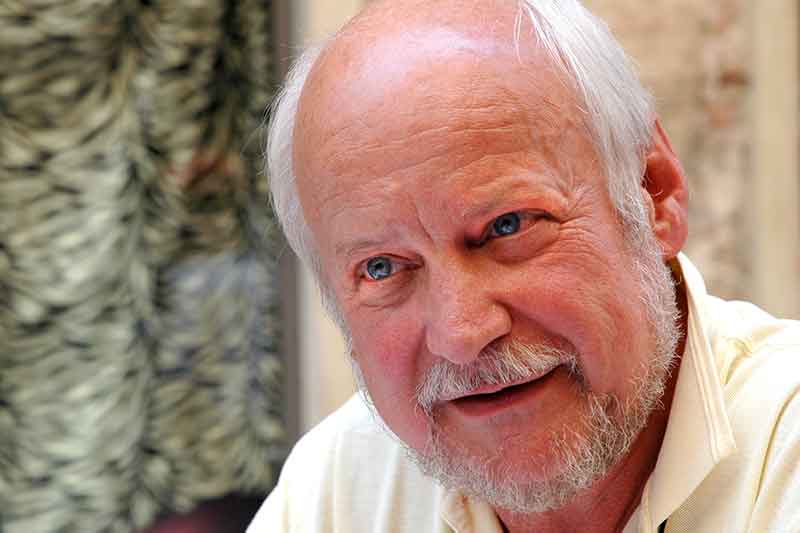
“I woke up and the first thing I noticed was that I was lying on my back, with several people looking down at me,” Kanta later recalled. “I had no idea where I was or what had happened. Then I noticed the splinters and broken parts of my cello under my body, and the terrible reality started to sink in. Friends helped me up, and I stumbled backstage, shaking. My cello was completely destroyed!”
The dress rehearsal was called off and Kanta was taken to hospital. He underwent hours of medical tests, but the doctors didn’t find a single thing wrong with him. The concert took place, without Kanta, leaving the audience wondering about his absence. But strangely, the story doesn’t end there.
“The cello I had played was a 19th-century instrument by Stefano Scarampella, which my parents had made a huge effort to buy for me. Its previous owner was one of my former teachers in Slovakia, Margita Procházková,” Kanta later explained. “I had not seen or heard from her in more than five years. But on the very night of that ill-fated rehearsal, the phone rang—it was Procházková, asking how I was… and how the cello was.”